Can Removing an Unsuitable Tree Improve the Wider Landscape?
Trees can bring structure, shade, seasonal interest and valuable habitat to a landscape. However, a tree that is poorly suited to its position may eventually restrict neighbouring plants, overwhelm the available space or prevent the surrounding garden from developing successfully.
Tree removal should be based on careful assessment rather than appearance alone. For property owners in Wellingborough, Northamptonshire, professional advice can determine whether pruning or other management would be sufficient, or whether removing an unsuitable tree would create the best long-term result.
How Tree Removal Can Benefit the Surrounding Landscape
A tree may be healthy yet still be unsuitable for its location. Its mature size, growth habit, proximity to other features and effect on surrounding vegetation all influence whether it continues to complement the landscape.
Where a tree cannot be managed effectively in its existing position, careful removal may allow the wider area to become safer, healthier and more usable.
Allowing More Natural Light Into the Garden
A large or densely crowned tree can cast extensive shade across lawns, borders and seating areas. Some shade may be beneficial, but prolonged low light can leave grass thin, restrict flowering and limit the range of plants that will grow successfully.
Removing an unsuitable tree can create a better balance between sunlight and shade. This may allow underperforming areas to recover and provide more options when planning future planting.
Reducing Competition Between Plants
Trees compete with nearby plants for light, water and nutrients. A vigorous root system or spreading canopy can make it difficult for shrubs, hedges and smaller trees to establish.
Where one tree dominates the available growing space, removing it can reduce this competition. Existing planting may then have better access to the resources it needs, helping create a more balanced and varied landscape.
Giving Better Trees Room to Develop
Gardens sometimes contain several trees planted too closely together. As their crowns expand, branches can become congested and individual trees may develop unevenly while competing for light.
Selective removal can provide retained trees with more space to form balanced crowns. This is often more beneficial than allowing several crowded specimens to decline or require repeated heavy pruning.
Improving the Proportions of the Garden
A tree that was suitable when young may eventually become too large for the space around it. Its crown can dominate the garden, reduce usable space and make other landscape features feel confined.
Removing an oversized or poorly positioned tree can restore a sense of proportion. Paths, lawns, planting areas and seating spaces may become more connected and practical without losing the opportunity for suitable replacement planting.
Resolving Repeated Conflicts With Nearby Features
Some trees continually interfere with buildings, fences, paths or access areas because they were planted without enough room for mature growth. Repeated cutting may provide temporary clearance but can also produce rapid regrowth or an increasingly unbalanced crown.
If the location cannot support the tree’s natural form, removal may offer a more dependable outcome than continual corrective work. The space can then be redesigned around plants that are better suited to the setting.
Removing a Tree With Poor Structure
A tree with major defects, extensive decay or an unstable form may no longer make a positive contribution to the landscape. Weak unions, damaged stems or significant dead sections can become increasingly difficult to manage.
Professional assessment is important because visible damage does not always reveal the full condition of a tree. Where suitable remedial work cannot provide a reliable outcome, controlled removal can prevent further deterioration from affecting the surrounding area.
Creating Opportunities for Better Planting
Tree removal does not have to leave a landscape bare. It can provide an opportunity to reconsider the purpose of the space and introduce planting that is more appropriate for its size, soil, light levels and intended use.
Depending on the site, the cleared area may support:
- A smaller tree with a suitable mature size
- New shrubs or mixed planting
- Improved lawn growth
- A more open seating area
- Better-defined paths or garden sections
- A broader range of plants
Thoughtful replacement planting can preserve the benefits of greenery while avoiding the problems created by the original tree.
Improving Views Through the Garden
An unsuitable tree can divide a small garden visually or conceal attractive planting and landscape features. Its removal may create clearer sightlines and help different parts of the garden feel connected.
This does not necessarily mean removing all screening. The aim should be to create a balanced view while retaining enough planting to provide structure, privacy and seasonal interest.
Making Ongoing Maintenance More Practical
A tree that repeatedly drops large amounts of debris into difficult areas, obstructs access or requires frequent clearance work may be poorly matched to its position. While natural leaf fall and branch shedding are normal, the location can make routine maintenance unnecessarily difficult.
Removing the wrong tree can simplify the care of the wider landscape. New planting can then be selected with its future maintenance requirements and mature dimensions in mind.
Why Removal Is Not Always the First Solution
Crown reduction, thinning, deadwood removal or selective pruning may address some concerns while retaining the tree. The appropriate choice depends on its species, age, condition, location and response to pruning.
A professional tree surgeon should assess whether the problem can be managed without removal. Tree felling is most suitable when the tree’s condition, position or mature growth makes retention impractical or prevents the surrounding landscape from functioning well.
The Importance of Professional Tree Removal
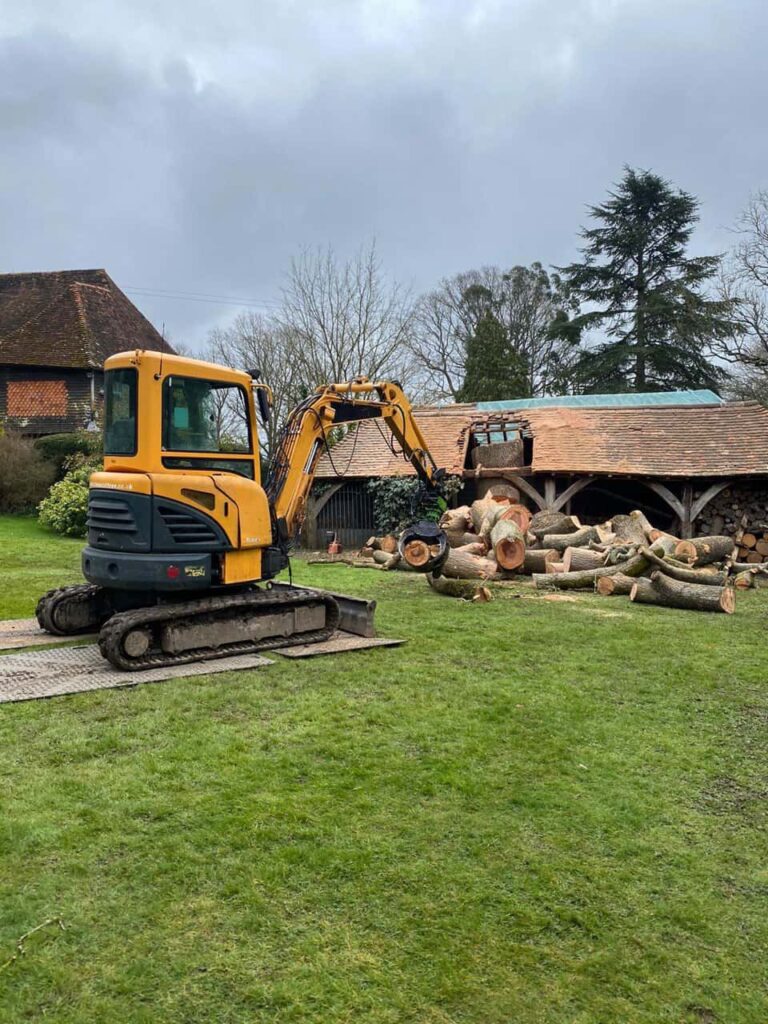
Tree removal requires careful planning, particularly where branches extend over gardens, structures or established planting. A professional team can dismantle the tree in a controlled sequence and minimise unnecessary disturbance to the surrounding area.
The stump should also be considered as part of the landscape plan. Stump grinding may make it easier to replant, improve the ground level or return the space to everyday use.
Conclusion
Removing an unsuitable tree can improve the wider landscape by increasing light, reducing plant competition, creating usable space and allowing retained trees to develop more successfully. The decision should always follow a professional assessment to determine whether removal is genuinely more appropriate than pruning or ongoing management.
Wellingborough Tree Surgeons provides professional tree assessments and controlled tree removal in Wellingborough, Northamptonshire. If a tree is overwhelming your garden or restricting the surrounding landscape, contact our team to discuss the most suitable approach.
Call us on: 01933 823 193
Click here to find out more about Wellingborough Tree Surgeons
Click here to complete our contact form and see how we can help with your trees needs.